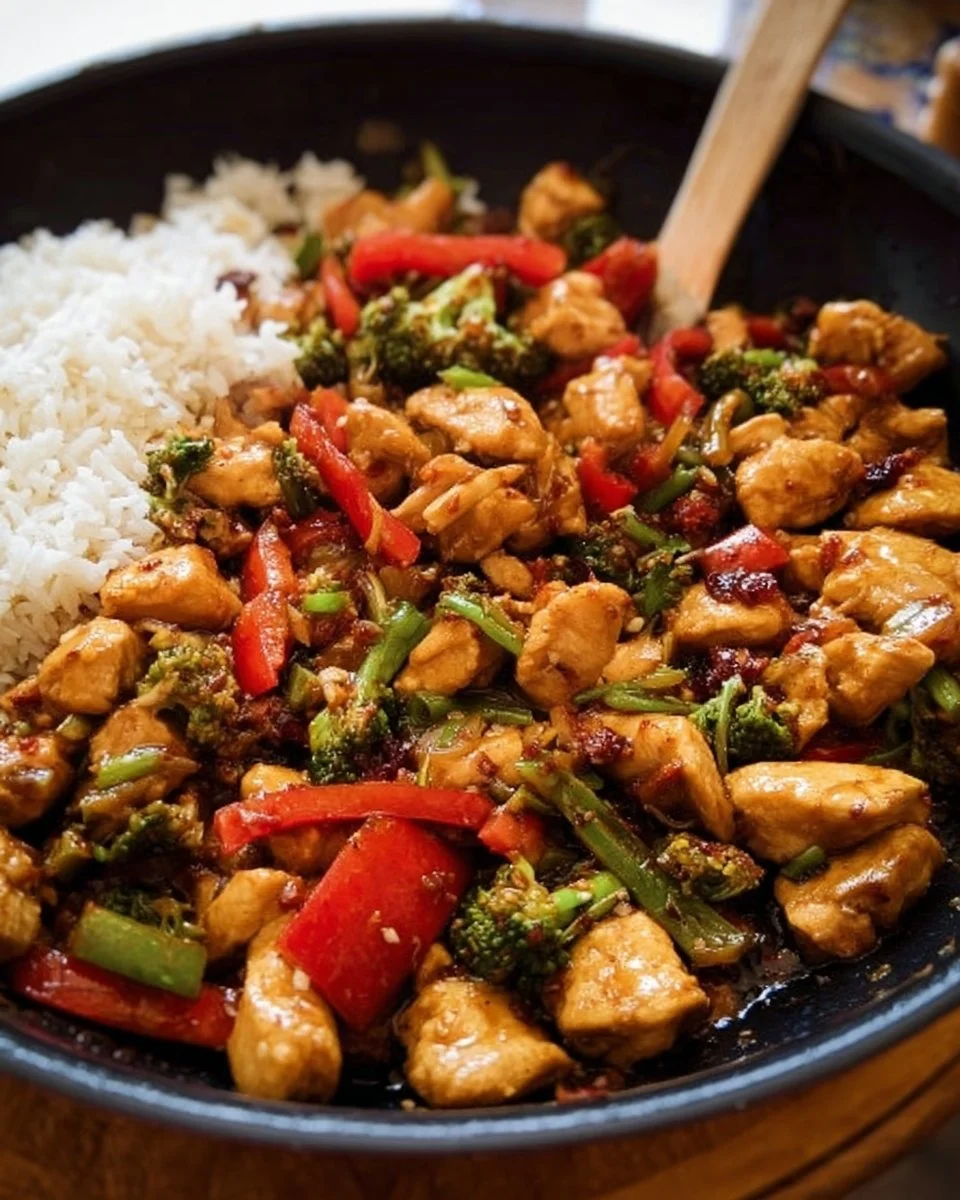
There’s something about the sizzle of ginger hitting a hot pan that instantly makes the kitchen feel like the coziest place on earth — and that’s where this Healthy Kung Pao Chicken was born. I’m so excited to share this lighter, bright-flavored take on a favorite Chinese-American classic: it has the sweet-tangy kick, the toasty crunch, and the kind of aroma that makes everyone hover and ask, “Is that ready yet?” If you want a weeknight hero that feels indulgent but actually cares about your wellness goals, this is it. For a cozy complementary side that leans into warm, autumn flavors, try my autumn chicken dinner with roasted vegetables — it pairs beautifully with the savory, nutty notes of Kung Pao.
I first made a lighter Kung Pao the night my roommate swore she was “trying to eat clean” — and then, to her surprise, asked for seconds (and then a doggy bag!). I remember laughing because the aroma had already traveled down the hallway and lured in our neighbors. That little bowl of amber sauce and crunchy peanuts turned a simple dinner into a shared moment, full of chatter, spice, and a ridiculous amount of rice. Ever since, this recipe has been my “make-people-smile” go-to.
Why This Healthy Kung Pao Chicken Feels Special
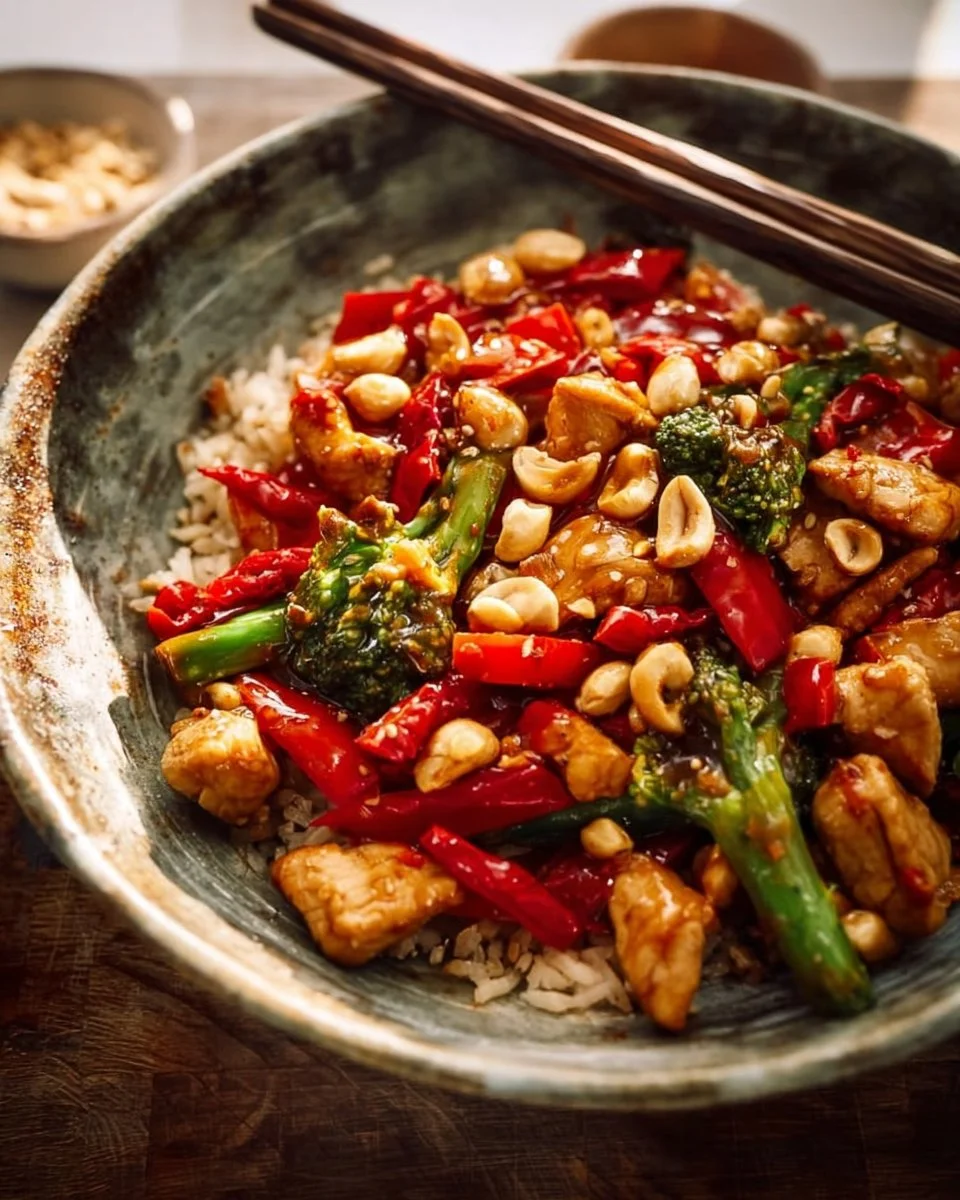
This version keeps all the soul of the original — the toasted peanuts, the pop of dried chiles, the caramelized edges on the chicken — while trimming unnecessary oil and using lean protein and fresh vegetables. The sauce balances sweet, savory, and a clever vinegary tang that wakes up your taste buds like a tiny, joyful alarm clock. The textures? Crispy edges, tender chicken, and crunchy peanuts — a mouthfeel party! And the aroma? Warm, spicy, with a hint of toasted sesame and garlic that makes the whole house lean in.
Ingredients Healthy Kung Pao Chicken
- 1 lb (450 g) boneless, skinless chicken breasts, cut into 1/2-inch cubes (or thighs for juicier meat)
- 1 tbsp soy sauce (low-sodium if preferred)
- 1 tbsp rice vinegar (for brightness)
- 1 tsp cornstarch (helps the chicken brown and the sauce cling)
- 1 tbsp vegetable oil (or avocado oil)
- 2 tsp sesame oil (adds nutty aroma; a little goes a long way)
- 3–4 cloves garlic, minced (the soul of the dish)
- 1 tbsp fresh ginger, minced (bright, warm zing)
- 6–8 dried red chiles, torn (adjust for heat; remove seeds for milder)
- 1 red bell pepper, diced (adds color and sweetness)
- 1 small zucchini or 1/2 cup snap peas, sliced (optional veg for volume)
- 1/3 cup unsalted roasted peanuts (or cashews; toasted if you can)
- 3 green onions, sliced diagonally (for freshness)
Sauce:
- 3 tbsp low-sodium soy sauce
- 1 tbsp hoisin sauce (adds depth; optional but recommended)
- 1 tbsp rice vinegar
- 1 tbsp honey or maple syrup (for a healthy, natural sweetness)
- 1 tsp chili garlic sauce or a pinch of red pepper flakes (for controlled heat)
- 1 tsp cornstarch mixed with 2 tbsp cold water (slurry to thicken) (Notes: adjust honey and chili to taste; hoisin gives a savory backbone.)
How to Prepare Healthy Kung Pao Chicken
Preheat & Prepare the Base
- Pat the chicken dry and toss it with 1 tbsp soy sauce, 1 tbsp rice vinegar, and 1 tsp cornstarch in a bowl. Let it sit for 10–15 minutes (this quick marinade plumps and flavors the meat).
- Mix the sauce ingredients (3 tbsp soy, hoisin, rice vinegar, honey, chili sauce) in a small bowl and set aside. Whisk in the cornstarch slurry at the end so it’s ready.
- Prep all your vegetables and aromatics: mince garlic and ginger, slice the bell pepper and zucchini, and chop green onions. Stir-fries happen fast — mise en place is your best friend! (Trust me — I learned this the hard way when garlic burned in 2 seconds flat.)
Make the Main Filling
- Heat a large nonstick skillet or wok over medium-high heat until hot. Add 1 tbsp vegetable oil and swirl.
- Add the marinated chicken in a single layer (don’t overcrowd — do two batches if needed). Let it sear without moving for 1–2 minutes to get golden edges, then stir-fry until nearly cooked through (about 3–4 minutes depending on size). Remove chicken to a plate.
- Lower heat slightly, add a drizzle of sesame oil, then toss in the dried chiles for 20–30 seconds to bloom their flavor (be careful — they can pop!). Add garlic and ginger, stir 15–20 seconds until aromatic.
- Add the bell pepper and zucchini/snap peas. Stir-fry 2–3 minutes until veggies are crisp-tender (you want color and crunch).
- Return chicken to the pan and toss everything together.
Assemble and Finish
- Pour the prepared sauce over the chicken and vegetables and stir immediately. The cornstarch slurry should thicken the sauce in about 30–60 seconds into a glossy coating — if it gets too thick, splash a tablespoon of water.
- Stir in the roasted peanuts and most of the green onions, reserving a little for garnish. Taste and adjust: more honey if you want sweet, more vinegar for brightness, or a pinch of salt if needed.
- Serve hot over steamed brown rice or cauliflower rice for a low-carb option. Sprinkle the reserved green onions and a few extra peanuts on top for crunch and color. Enjoy right away — the contrast of textures is best fresh!
Why You’ll Love This Recipe
- It’s lighter without sacrificing the deep, savory-sweet flavor you crave.
- Quick weeknight-friendly: from chopping board to table in about 30 minutes.
- Balanced textures: tender chicken, crisp veggies, and crunchy peanuts.
- Flexible: swap chicken for tofu, shrimp, or extra veggies seamlessly.
- Crowd-pleaser: familiar flavors that still feel exciting.
- Easy to scale up for meal prep or to feed a hungry group.
- Controls heat and sodium nicely — you decide how bold to go.
- Nutritious: good protein, veggies, and controlled oil and sugar.
Tips for Success
- Use high heat and a hot pan to get that lovely sear on the chicken — it’s flavor gold! But watch for burning garlic; add it after chiles and keep it moving.
- Don’t skip the cornstarch in the chicken marinade; it gives a silky mouthfeel when combined with the sauce.
- Toast peanuts briefly in the dry pan if they’re not already roasted — it deepens the nuttiness.
- Taste as you go. Sauces are forgiving; add a splash more vinegar or honey if it needs brightness or lift.
- If you prefer less oil, blot chicken cubes dry thoroughly and use a well-heated nonstick skillet.
- Substitute low-sodium soy where possible and add a tiny additional pinch of salt only if needed.
- Want it spicier? Add a chopped fresh red chile or a teaspoon of sambal oelek to the sauce.
Nutritional Information (estimated per serving — serves 4)
- Calories: ~350–420 kcal
- Protein: ~30–34 g
- Fat: ~14–18 g (depending on oil amount)
- Carbohydrates: ~20–28 g
- Fiber: ~3–4 g
- Sugar: ~7–10 g (from honey and vegetables)
- Sodium: ~600–800 mg (use low-sodium soy to reduce)
FAQ Healthy Kung Pao Chicken
Q: Can I make this gluten-free? A: Yes — swap regular soy sauce for tamari or coconut aminos, and ensure your hoisin is gluten-free (or omit and add a splash of extra soy and a touch of molasses).
Q: Can I use chicken thighs instead of breasts? A: Absolutely! Thighs stay juicier and handle high heat well. Trim excess fat and cut to similar-sized pieces for even cooking.
Q: How can I reduce the sodium further? A: Use low-sodium soy sauce, skip the hoisin or use just a small amount, and taste before adding extra salt.
Q: What equipment is best? A: A wok or a large, heavy-bottomed skillet gives the best sear. A nonstick pan works well for lower-oil cooking.
Q: Can I make this ahead or freeze it? A: You can prepare components (marinated chicken, sauce, chopped veggies) ahead and stir-fry quickly before eating. Freezing cooked Kung Pao is okay but the peanuts and some veggies may soften when reheated.
Storage Instructions
Store leftovers in an airtight container in the refrigerator for up to 3–4 days. The sauce may thicken in the fridge; when reheating, add a splash of water or broth and warm gently in a skillet over medium heat to revive the glossy coating. Freezing is possible for up to 2 months — flash-freeze in single portions, thaw overnight in the fridge, then reheat gently. Note: fresh crunchy elements (peanuts, scallions) are best added right before serving rather than before storage.
Serving Suggestions
- Serve over steamed jasmine or brown rice for a comforting bowl.
- For a lower-carb plate, spoon it over cauliflower rice or alongside steamed broccoli.
- Garnish with extra toasted peanuts, sliced green onions, and a squeeze of lime for brightness.
- For a pretty dinner, serve in shallow bowls with a scattering of cilantro and a side of quick pickled cucumbers (sharp, cool contrast!).
- Drink pairings: a crisp Riesling balances the sweet-spicy notes beautifully, or try a chilled jasmine tea for a nonalcoholic match.
- Fancy touch: add a sprinkle of toasted sesame seeds and a few microgreens for color and elegance.
Enjoy making this Healthy Kung Pao Chicken — it’s one of those recipes that feels like a warm hug in a bowl, with plenty of room for personal tweaks and a guaranteed “who made this?!” chorus from anyone who tries it. Happy cooking!
Healthy Kung Pao Chicken
Ingredients
Method
- Pat the chicken dry and toss it with 1 tbsp soy sauce, 1 tbsp rice vinegar, and 1 tsp cornstarch in a bowl. Let it sit for 10–15 minutes.
- Mix the sauce ingredients in a small bowl and set aside. Whisk in the cornstarch slurry just before using.
- Prep all your vegetables: mince garlic and ginger, slice the bell pepper and zucchini, and chop green onions.
- Heat a large nonstick skillet or wok over medium-high heat and add 1 tbsp vegetable oil.
- Add the marinated chicken in a single layer. Sear without moving for 1–2 minutes, then stir-fry until nearly cooked through (about 3–4 minutes). Remove chicken to a plate.
- Lower heat slightly, add a drizzle of sesame oil, then add the dried chiles for 20–30 seconds to bloom their flavor.
- Add garlic and ginger and stir for 15–20 seconds until aromatic.
- Add bell pepper and optional zucchini/snap peas, stirring 2–3 minutes until veggies are crisp-tender.
- Return chicken to the pan and toss everything together.
- Pour the prepared sauce over the chicken and vegetables and stir immediately, allowing the sauce to thicken in about 30–60 seconds.
- Stir in the roasted peanuts and most of the green onions, reserving some for garnish.
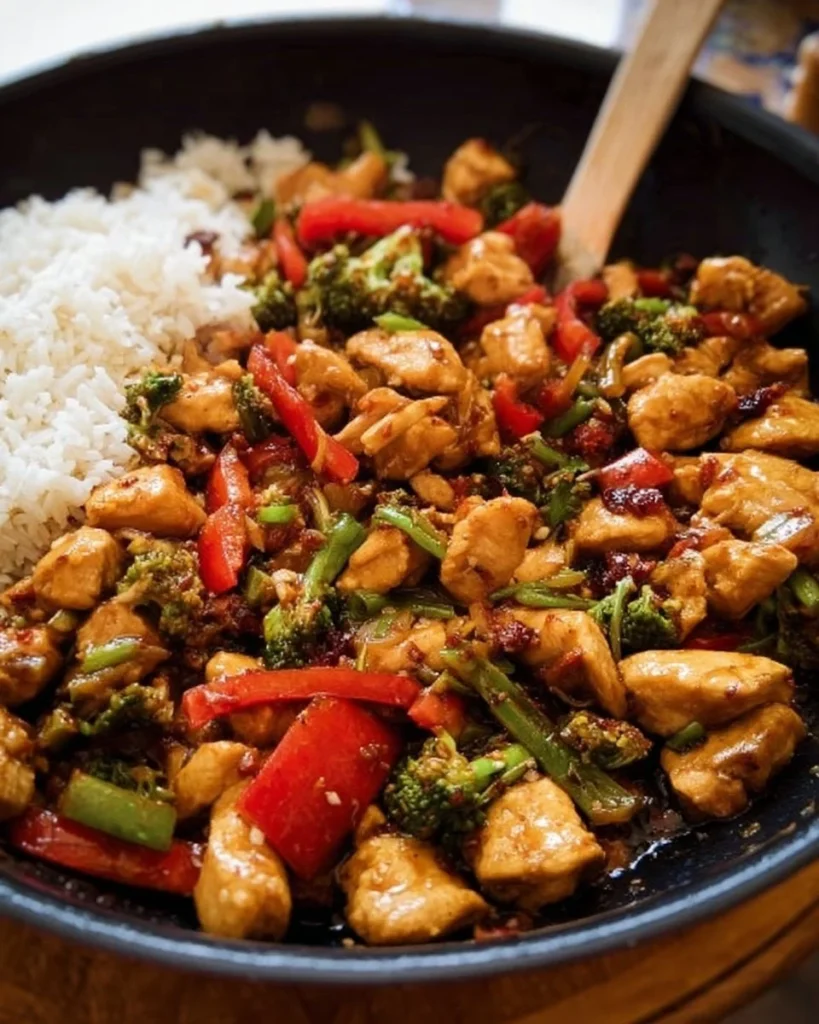
- Serve hot over steamed rice or cauliflower rice, garnished with reserved green onions and extra peanuts.