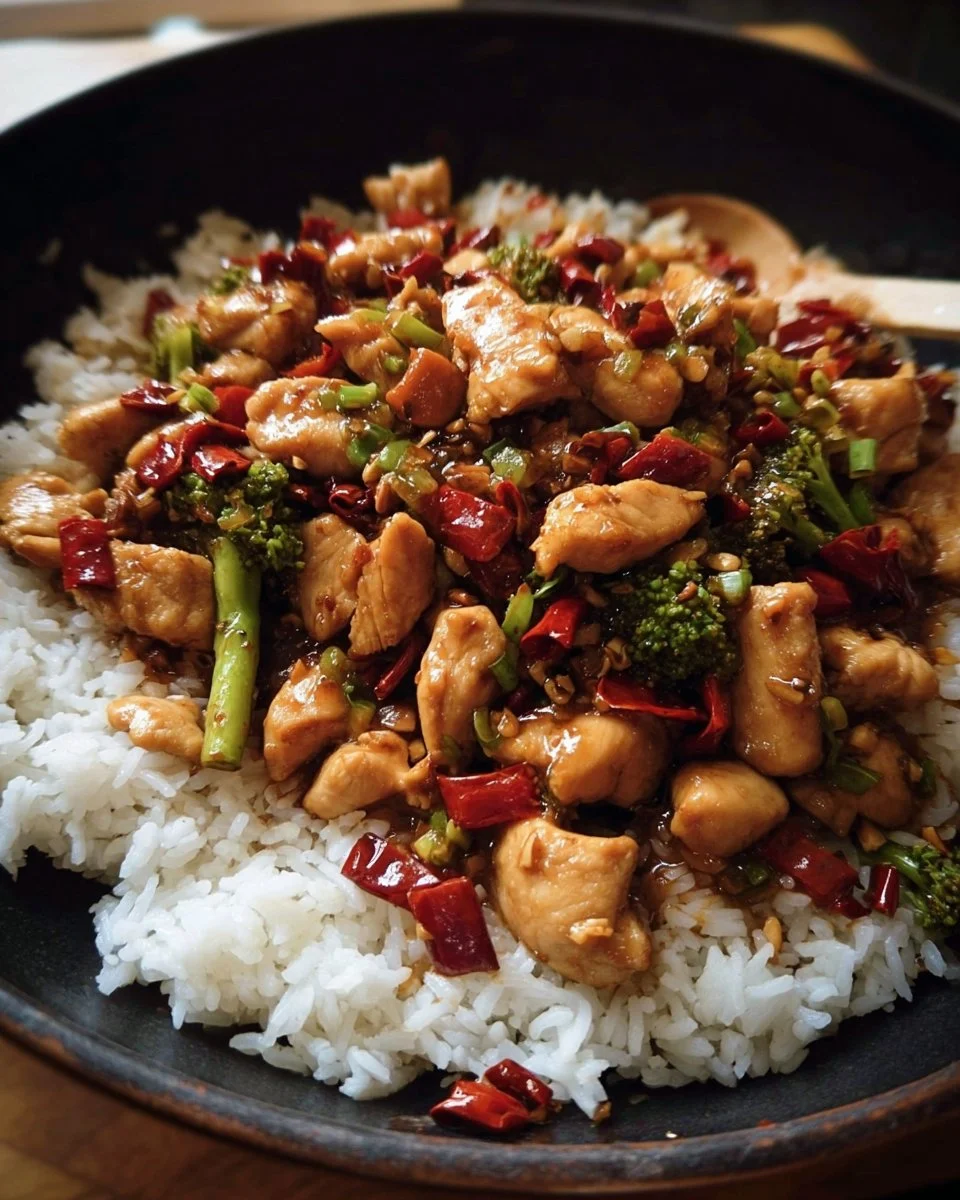
I can still remember the first time I tried to recreate Kung Pao at home — my kitchen smelled like toasted peanuts and sizzling garlic, the soy glaze bubbled like a tiny savory volcano, and I danced (very awkwardly) while flipping pieces of chicken in the pan. That cozy mess of noise and aroma convinced me that a healthier Kung Pao could be just as comforting and even more addictive than the takeout version. If you love hearty weeknight chicken dishes, you’ll also adore my take on an autumn chicken dinner with roasted vegetables — it’s the same kind of warm, simple joy on a plate.
There’s a neighborhood potluck I still smile about: I brought this lighter Kung Pao, and someone who swore by “traditional oil-heavy” versions came back for seconds and asked for the recipe. I felt like a culinary magician. My mom used to tell me that food that makes you reach for seconds while still feeling good the next morning is the best kind of cooking. That’s this recipe — bold, bright, and surprisingly light.
Why This Recipe Feels So Good
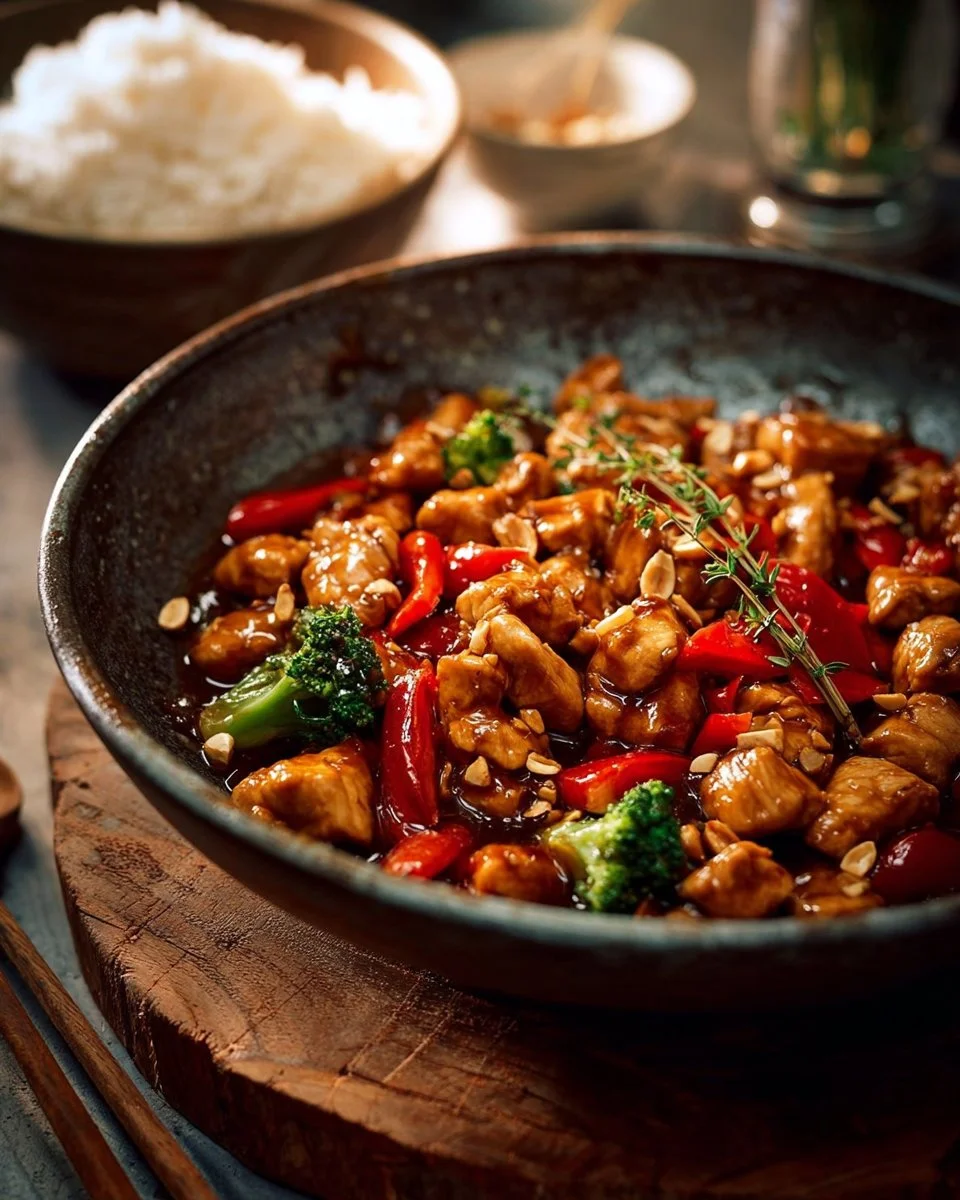
Imagine crunchy bell pepper bits, toasted peanuts snapping under your fork, tender strips of chicken glazed in a vibrant, tangy-sweet sauce, and a hint of chili that warms you from the inside out. The texture play — crisp vegetables against succulent chicken — makes every bite exciting. It smells like a weekday saved and tastes like a celebration. Plus, you’ll feel proud serving something both delicious and a little kinder to your body.
Ingredients Healthy Kung Pao Chicken
- 1 lb (450 g) boneless, skinless chicken breast or thighs, thinly sliced into strips (thighs stay juicier)
- 2 tbsp low-sodium soy sauce (or tamari for gluten-free)
- 1 tbsp rice vinegar (brightens the sauce)
- 1 tbsp cornstarch (helps the chicken get a silky glaze)
- 2 tbsp hoisin sauce (adds depth; optional for slightly sweeter notes)
- 1 tbsp chili garlic sauce or Szechuan chili paste (adjust to taste)
- 1 tbsp sesame oil (for flavor; you can use less if you prefer)
- 1 tbsp vegetable or avocado oil (for stir-frying)
- 1 medium red bell pepper, diced (adds color and crunch)
- 1 small green bell pepper, diced (for brightness)
- 1 cup unsalted roasted peanuts (or cashews, if preferred) (toast them lightly for extra aroma)
- 3 cloves garlic, minced (aromatic punch)
- 1-inch piece ginger, peeled and minced (fresh zing)
- 3 green onions, sliced on the diagonal (for garnish and oniony freshness)
- 1/4 cup low-sodium chicken broth or water (to loosen sauce)
- 1 tsp toasted sesame seeds (optional, for finishing)
- Pinch of red pepper flakes (if you want extra heat)
- Cooked brown rice or cauliflower rice, for serving (cauliflower rice keeps it lower-carb)
(Small notes: if you prefer less sugar, skip hoisin; if you need gluten-free, use tamari and check hoisin alternatives.)
How to Prepare Healthy Kung Pao Chicken
Preheat & Prepare the Base
- Pat the chicken dry and toss with 1 tbsp soy sauce and 1 tbsp cornstarch until evenly coated (this helps lock in juices and gives a glossy finish). Let it sit for 10 minutes while you prep vegetables — little patience, big payoff!
- Combine the rest of the sauce: in a small bowl mix 1 tbsp soy sauce, 1 tbsp rice vinegar, 1 tbsp hoisin (if using), 1 tbsp chili garlic sauce, 1/4 cup chicken broth, and a drizzle of sesame oil. Taste — it should be tangy, slightly sweet, and with a playful kick. Adjust any component to your taste.
- Heat a large skillet or wok over medium-high heat until shimmering. Add the vegetable oil. When it ripples, that’s your cue to cook fast and confident!
Make the Main Filling (the chicken and sauce)
- Add the chicken in a single layer and let it sear without moving for 1 minute to get a lovely caramelized edge, then stir-fry until nearly cooked through (about 3–4 minutes total). Don’t overcrowd the pan — do it in batches if needed (crowding = steaming, and we want crispness).
- Remove chicken to a plate and set aside. Add a splash more oil if the pan looks dry.
- Toss in garlic and ginger; stir for 20–30 seconds until fragrant (watch it so the garlic doesn’t burn — burnt garlic is bitter and sad).
- Add bell peppers and stir-fry until they’re bright and just tender-crisp, about 2 minutes. You want snap, not mush.
- Return the chicken to the wok, pour the sauce in, and stir swiftly. The cornstarch coating will help the sauce thicken and cling beautifully to the chicken. Simmer for 1–2 minutes until everything is shiny and cohesive.
- Stir in the roasted peanuts and green onions, reserving a little for garnish. Give one final toss — the aroma will be irresistible!
Assemble and Chill/Bake
(This is the finish line — no oven needed, but if you like to keep things warm, cover loosely.)
- Transfer the Kung Pao chicken to a serving dish and sprinkle with toasted sesame seeds and the remaining green onions.
- Serve immediately over hot brown rice or cauliflower rice for a lighter option. If you like a saucier dish, add a splash of reserved warm broth.
- Leftovers? Let cool slightly, then refrigerate in an airtight container (see Storage Instructions below). Reheat gently to keep textures pleasant.
Why You’ll Love This Recipe
- Bright, bold flavors: sweet, tangy, and umami-packed sauce that wakes up the palate.
- Balanced textures: tender chicken, crunchy peanuts, and crisp vegetables in every bite.
- Healthier takeout: lighter oils, controlled sodium, and simpler ingredients than many restaurant versions.
- Quick weeknight winner: about 30 minutes from start to table.
- Flexible and forgiving: swap veggies, nuts, or protein as you like.
- Crowd-pleaser: familiar flavors make it great for family dinners and casual entertaining.
- Diet-friendly options: easy to make low-carb or gluten-free with small swaps.
Tips for Success
- Use high heat and keep things moving: stir-frying is all about speed and heat. Preheat the pan well.
- Cut chicken into similar-sized strips: even cooking matters for texture and timing.
- Don’t skip the cornstarch step: it helps the sauce cling and creates a silky mouthfeel.
- Toast peanuts briefly in a dry pan for enhanced aroma; be careful — nuts go from perfect to burnt quickly.
- Taste and adjust the sauce: if too salty, add a splash of rice vinegar; if too tart, a tiny bit of honey balances it out.
- Make it your own: swap bell peppers for zucchini or snap peas; switch peanuts for cashews if allergies are a concern.
- If you prefer less heat, reduce chili garlic sauce and add a pinch of black pepper for complexity.
Nutritional Information (estimated per serving, serves 4)
- Calories: ~360 kcal
- Protein: 35 g
- Carbohydrates: 20 g
- Fat: 15 g
- Fiber: 3 g
- Sodium: ~550 mg (use low-sodium soy to reduce)
- Sugar: 6–8 g (from hoisin and peppers; omit hoisin to lower sugar)
FAQ Healthy Kung Pao Chicken
Q: Can I use frozen chicken? A: Yes — thaw it completely and pat dry before slicing. Excess moisture will make the chicken steam rather than sear.
Q: What can I substitute for peanuts? A: Cashews are a great alternative (creamier and slightly sweeter). If you have tree-nut allergies, try roasted chickpeas for crunch.
Q: Is there a vegetarian version? A: Absolutely! Replace chicken with firm tofu (press and cube) or tempeh. Increase cornstarch for a better crust and follow the same steps.
Q: What equipment is best? A: A heavy-bottomed wok or a large skillet is ideal. A wider pan gives the chicken room to sear without steaming.
Q: How can I make it less spicy for kids? A: Cut the chili garlic sauce in half and omit red pepper flakes. Add a touch of honey or extra hoisin to balance the heat.
Storage Instructions
- Refrigerator: Store in an airtight container for up to 3–4 days. The vegetables will soften over time, so it’s best enjoyed within the first 48 hours if you want crunch.
- Freezer: Not ideal due to peanut texture and peppers, but you can freeze the chicken and sauce (without rice) for up to 2 months. Thaw in the fridge overnight.
- Reheating: Reheat gently in a skillet over medium heat with a splash of water or broth to revive the sauce and prevent drying. Avoid the microwave if you care about texture — it tends to make peppers soggy.
Serving Suggestions
- Serve over brown rice, jasmine rice, or cauliflower rice depending on your preference (brown rice adds nutty depth).
- For a brighter plate, add a squeeze of lime and a handful of fresh cilantro.
- Add a side of steamed bok choy or a simple cucumber salad to freshen the meal.
- For an elevated touch, garnish with finely sliced red chili and a drizzle of toasted sesame oil just before serving.
- Drink pairings: a crisp Riesling or a chilled jasmine iced tea complements the sweet-spicy profile beautifully.
- Fancy touch: serve under fluffy coconut rice with a few microgreens on top for a restaurant-worthy moment.
FAQ (Quick Recap)
I’ve answered the common questions above — but remember: cooking is forgiving. Taste as you go, laugh at small kitchen mishaps (I certainly do), and make this Kung Pao your own. Enjoy the sizzling, savory comfort and know you’re serving something both nourishing and delightfully delicious!
Healthy Kung Pao Chicken
Ingredients
Method
- Pat the chicken dry and toss with 1 tbsp soy sauce and 1 tbsp cornstarch until evenly coated. Let it sit for 10 minutes while you prep vegetables.
- In a small bowl, mix 1 tbsp soy sauce, 1 tbsp rice vinegar, 1 tbsp hoisin (if using), 1 tbsp chili garlic sauce, 1/4 cup chicken broth, and a drizzle of sesame oil. Adjust to your taste.
- Heat a large skillet or wok over medium-high heat and add the vegetable oil.
- Add the chicken in a single layer and let it sear for 1 minute, then stir-fry until nearly cooked through (about 3–4 minutes total).
- Remove chicken to a plate. Add more oil if pan looks dry.
- Add garlic and ginger, stirring for 20–30 seconds until fragrant.
- Add bell peppers and stir-fry until bright and tender-crisp, about 2 minutes.
- Return the chicken to the wok, pour in the sauce, and stir swiftly to combine. Simmer for 1–2 minutes until shiny and cohesive.
- Stir in the roasted peanuts and green onions, reserving some for garnish.
- Transfer a serving dish, sprinkle with toasted sesame seeds and remaining green onions.
- Serve immediately over rice or cauliflower rice.