Visual Highlights

Seeing the process makes it easier and more enjoyable to follow the recipe. Here are the key moments that will guide your bake and help you get the best results.
Start with the date paste. This is the heart of the cake’s sweetness and moisture. A photo of soft Medjool dates blended into a thick, glossy paste shows the right texture you want. It should look smooth but not watery. If the dates are dry, soaking them in warm water for a few minutes helps soften them before blending.
Next comes the batter. After combining the wet ingredients with the date paste and folding in the dry ingredients, the batter should look thick but pourable. A quick visual of it being stirred with grated carrots gives a clear idea of the final mix. It’s dense enough to hold shape but soft enough to spread easily into the pan.
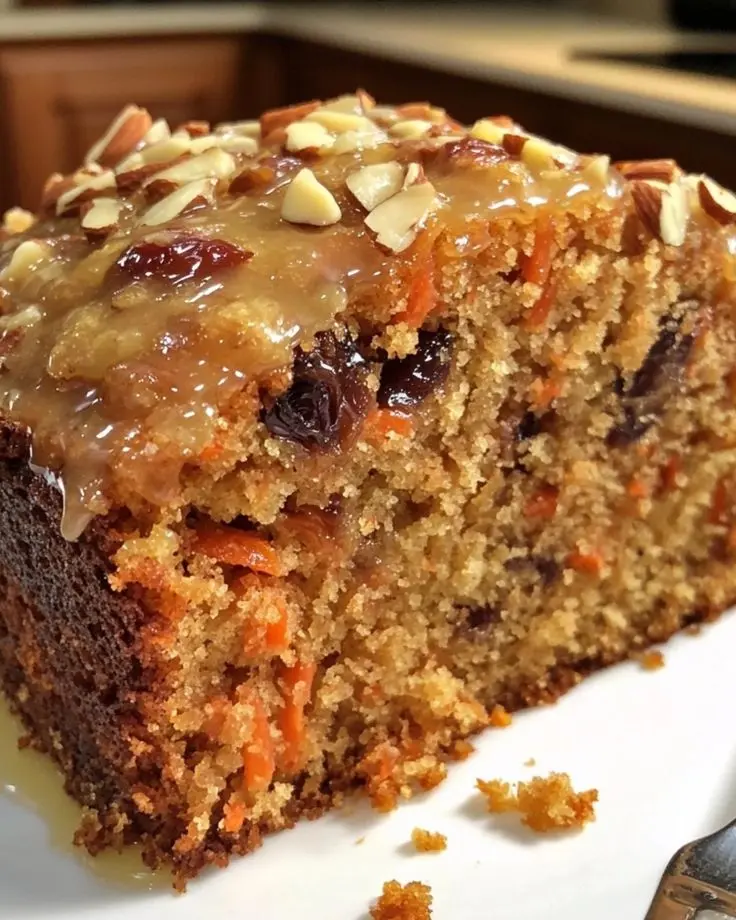
When it is time to bake, show a photo of the batter evenly spread in the baking dish. This helps readers understand how full to fill their pan and what it should look like before it goes into the oven. Once baked, a golden top with slight cracks signals that the cake is cooked through and moist inside.
The most satisfying moment is pouring the honey lemon glaze. A short clip or photo of the glaze slowly flowing over the warm cake brings the recipe to life. The glossy finish adds a visual appeal and highlights the cake’s bright flavor. It’s the kind of image that draws people in and makes them want to bake right away.
These visual cues build confidence. They turn a simple recipe into an experience that feels clear, inviting, and fun to follow.
FAQ SECTION
Can I freeze this cake? The cake rounds can be made ahead and frozen for up to three months. To do this, you should wrap each cooled cake round tightly in plastic wrap, then in foil, and store it in an airtight container or a large ziploc bag. When you are ready to use them, transfer the wrapped rounds to the refrigerator for at least eight hours to thaw. One source does not recommend freezing the cream cheese frosting unless it is already on the cake.
How do I store it with the glaze? The provided source materials do not contain information on how to store a cake with a glaze. The documents do describe how to store a cake with cream cheese frosting, which should be wrapped or placed in an airtight container and kept in the fridge for up to 3 days. A fully assembled cake with cream cheese frosting can also be refrigerated for up to one day.
Can I skip the glaze? One recipe is presented as a “snacking cake” where toppings like crème fraîche, honey whipped cream, or a maple honey glaze are recommended but not integral to the cake itself. Another recipe calls for the nuts to be a garnish sprinkled over the frosting, rather than in the cake itself.
Can I substitute another sweetener? One recipe is sweetened entirely with dates and does not contain processed sugar. This recipe suggests that if you are adapting other recipes, you can substitute 1 cup of blended date paste for 1 cup of sugar. Another recipe uses a combination of light brown sugar and granulated sugar. For the frosting, date syrup or maple syrup can be used interchangeably.
What pan sizes work? The recipes provided offer several pan options:
- An 8-inch round cake pan or an 8×8 square baking pan.
- A 9-inch round pan.
- A 9-inch oven-safe skillet.
- A cupcake tin, which will yield between 12 and 18 cupcakes.
- One recipe for a four-layer cake uses four 9-inch round cake pans. This recipe can also be halved to make a single 8×8 cake.
- Can I make it vegan? The provided source materials do not include instructions or variations for making a vegan version of the cake. The listed recipes include non-vegan ingredients such as eggs, cream cheese, and butter.